Why Your Chiropractor Isn’t Fixing Your Pain
When Adjustments Aren’t Enough
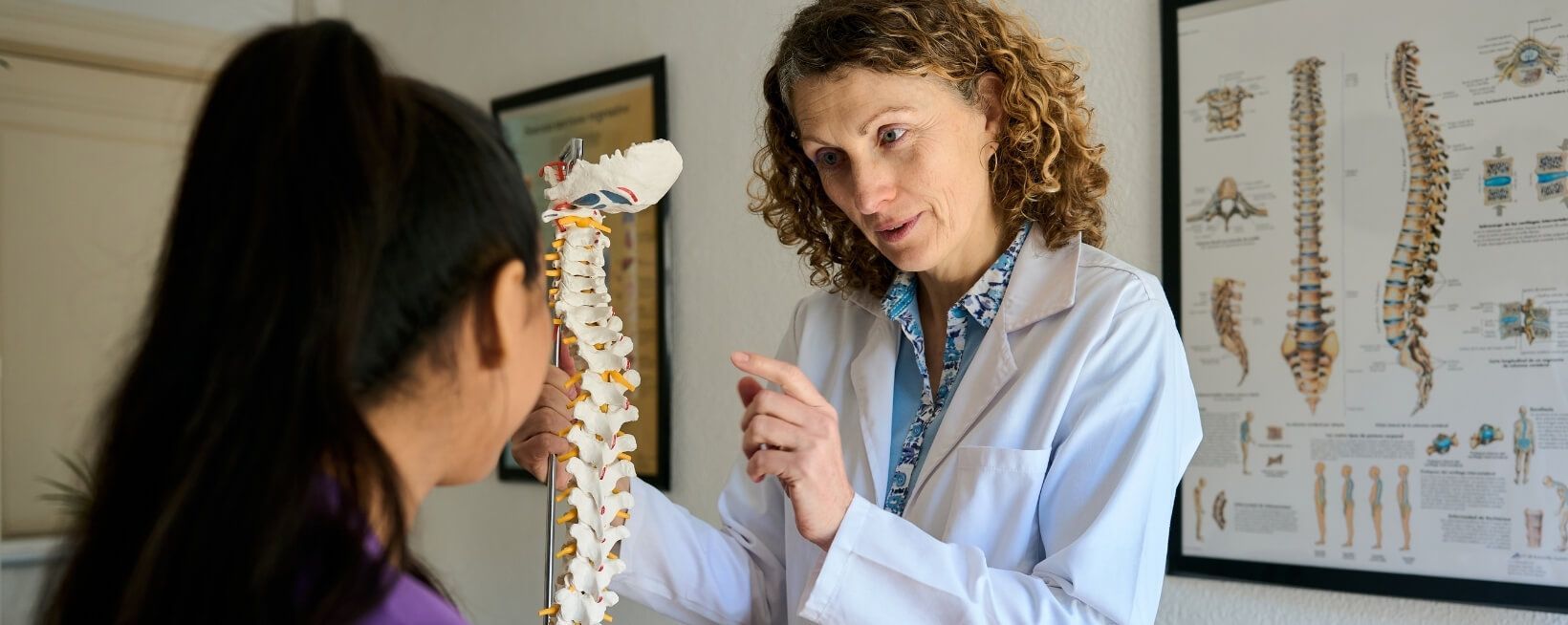
Chiropractic care can be highly effective for many types of musculoskeletal pain. But if you’ve been getting adjusted regularly and your pain keeps coming back (or never improves), it’s a sign that something is being missed. The issue is rarely that chiropractic care “doesn’t work.” More often, it’s that your condition requires more than a multiple modality approach.
Pain Is Usually Multifactorial
Pain is often not caused by one simple problem. In many cases, it involves a combination of factors such as:
- Joint dysfunction or misalignment
- Muscle imbalances and soft tissue restrictions
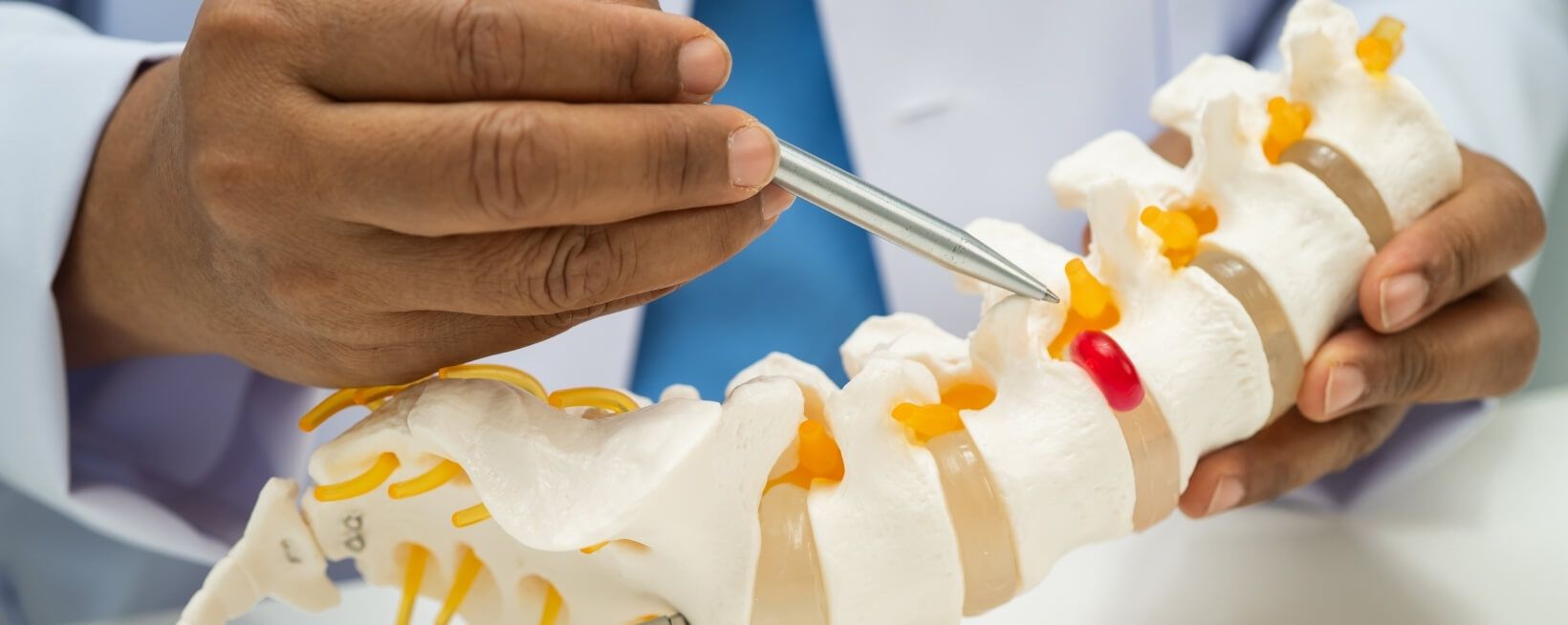
- Disc irritation or degeneration
- Nerve involvement or inflammation
- Lifestyle factors like posture, stress, and activity level
Adjustments primarily address joint mechanics. If other contributors aren’t being treated at the same time, relief may be temporary or incomplete.
The Limitation of a Single-Modality Approach
Traditional chiropractic care often focuses on spinal adjustments as the primary intervention. While this can restore motion and reduce pain in the short term, it may not fully resolve underlying issues.
For example:
- Tight or damaged soft tissue can continue pulling joints out of alignment
- Inflamed nerves may remain irritated despite improved joint movement
- Disc-related problems may require decompression or additional therapies
- Chronic conditions often need metabolic or inflammatory support
Without addressing these layers, patients can find themselves stuck in a cycle of temporary relief followed by recurring pain.
What an Integrated Approach Looks Like
An integrated care model combines multiple therapies to treat the full picture of your condition, not just one aspect of it. Depending on your needs, this may include:
- Chiropractic adjustments to restore joint motion
- Soft tissue therapy to release tension and improve function
- Spinal decompression for disc-related conditions
- Shockwave or regenerative therapies for stubborn pain
- Medical evaluation when inflammation or nerve involvement is significant
Each component works together to create a more complete and effective treatment plan.
Better Outcomes Often Require a Better Strategy
If you've been receiving chiropractic adjustments and feel like you're doing everything right but still aren't experiencing lasting relief, the answer may not be more visits, it may be a more comprehensive approach.
Pain is complex, and treating only one aspect of the problem can leave other contributing factors unaddressed. That's why coordinated, personalized care often produces better outcomes than relying on a single treatment modality alone.
By combining therapies based on your specific condition, an integrated approach can help:
- Deliver faster and more consistent pain relief
- Improve mobility and day-to-day function
- Address inflammation, muscle dysfunction, and joint mechanics together
- Reduce the frequency of relapses and flare-ups
- Create longer-lasting results rather than temporary symptom relief
Instead of simply managing pain as it appears, integrated care focuses on identifying and treating the underlying factors that are keeping you from healing.
A thorough evaluation can reveal what's missing from your current treatment plan and help determine the right combination of therapies to move you forward. Sometimes the key to getting better isn't another adjustment, it's a different strategy.
Get a Comprehensive Evaluation
At True Wellness Integrated Medicine, we take a whole-body approach to pain. Our team evaluates not just where it hurts, but why. Then we build a plan designed to deliver lasting results. If chiropractic care alone hasn’t resolved your pain, it’s time to explore a more complete solution.