How to Tell if Your Back Pain Is a Herniated Disc
Recognizing herniated disc symptoms in the lower back and knowing when to seek care

Lower back pain is one of the most common reasons people seek medical care, but not all back pain is the same. One of the more serious causes is a herniated disc, a condition that can lead to nerve irritation, radiating pain, and limited mobility.
Understanding how herniated disc symptoms present in the lower back can help you identify whether your pain is something that requires more targeted treatment.
What Is a Herniated Disc?
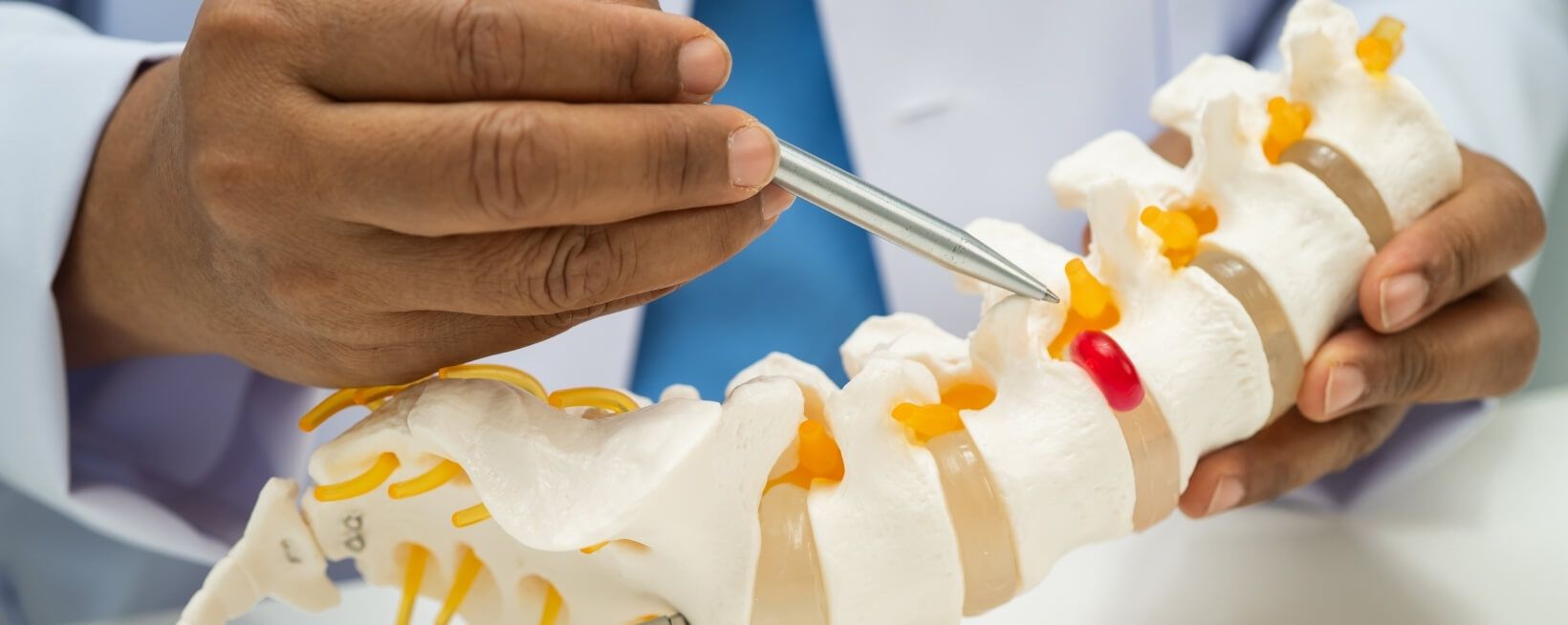
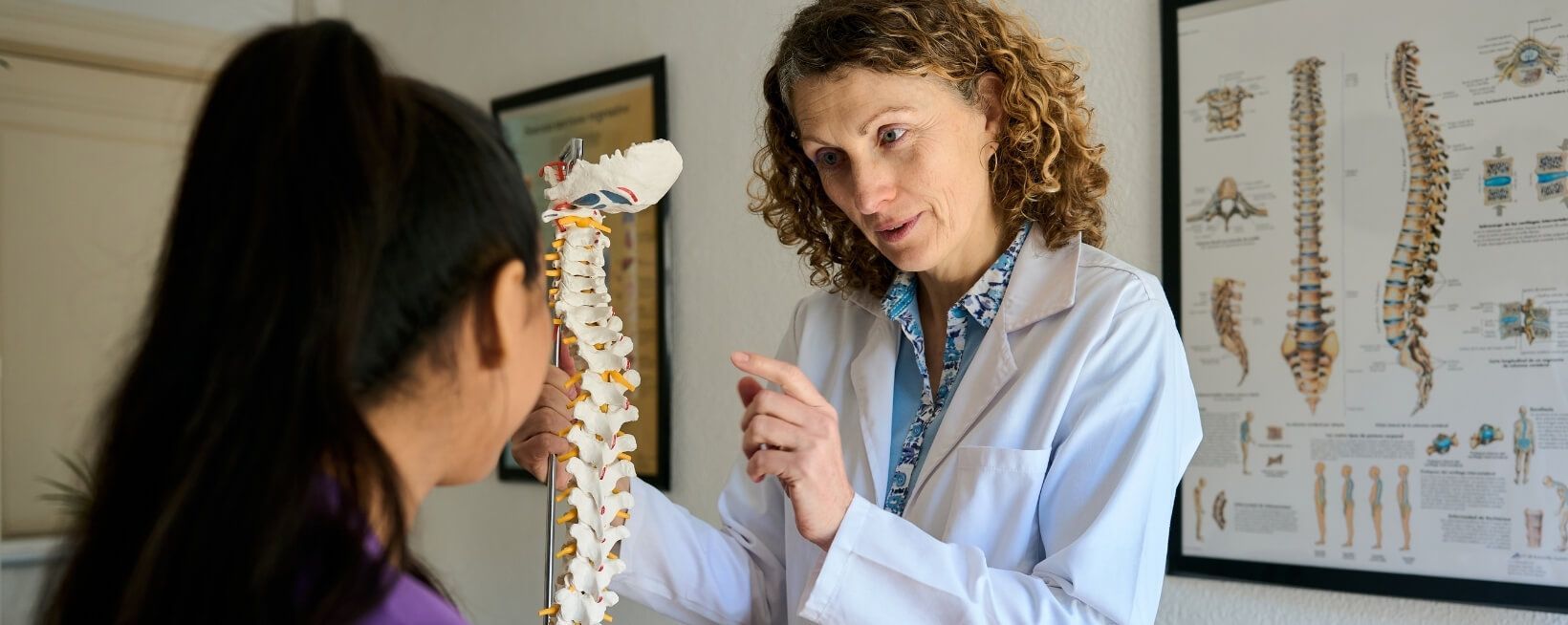
The spine is made up of vertebrae separated by discs that act as cushions. Each disc has a soft inner core and a tougher outer layer. A herniated disc occurs when the inner portion pushes through the outer layer, often placing pressure on nearby nerves.
In the lower back, this is most common in the lumbar spine. Because this area supports much of the body’s weight and movement, it is especially vulnerable to strain and injury.
Common Herniated Disc Symptoms in the Lower Back
Not all lower back pain is caused by a herniated disc, but certain symptoms tend to point in that direction. The key difference is nerve involvement.
Look for patterns such as:
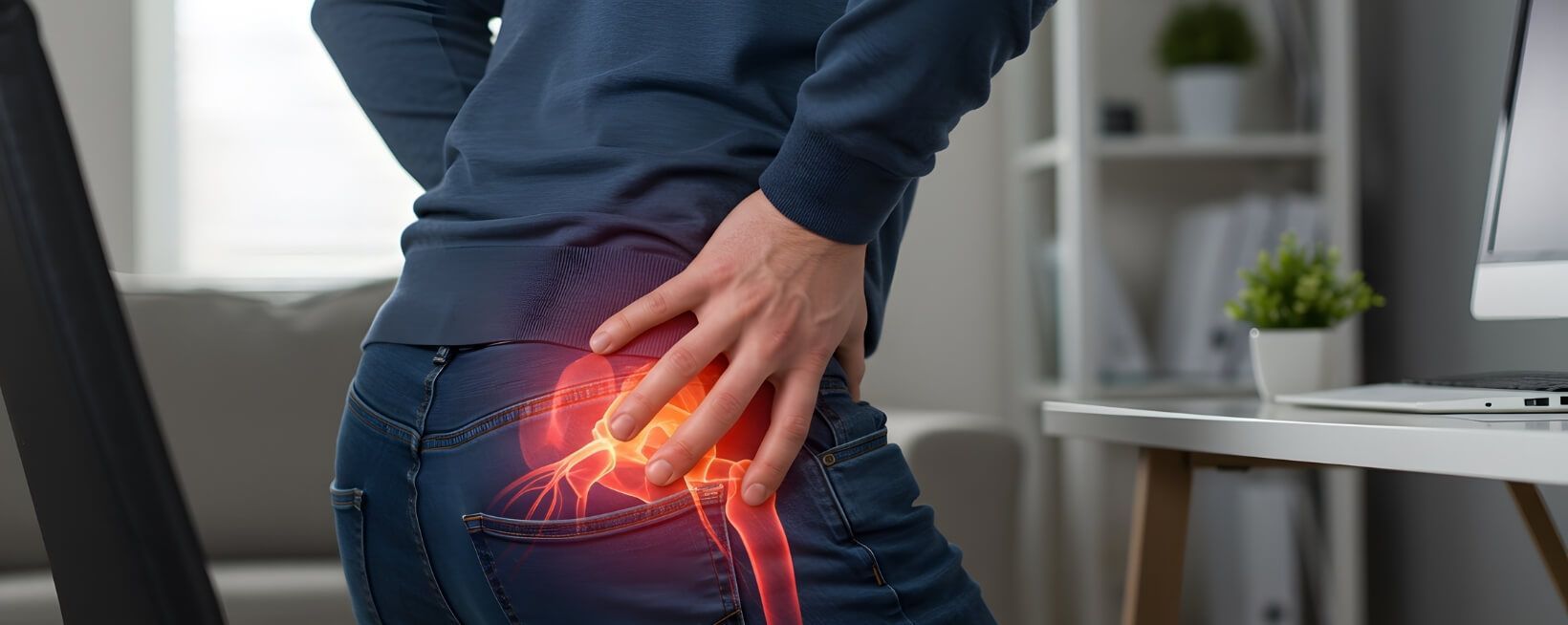
- Pain that radiates from the lower back into the buttocks, leg, or foot
- Sharp, shooting, or burning sensations rather than dull aching
- Numbness or tingling in the leg or foot
- Muscle weakness, especially when lifting the foot or standing
These symptoms often affect one side of the body and may worsen with sitting, bending, or prolonged inactivity.
How It Differs from General Lower Back Pain
Muscle strain and general lower back pain are typically localized and improve with rest or light movement. A herniated disc behaves differently because it involves nerve compression.
Pain from a herniated disc tends to travel, fluctuate in intensity, and persist despite basic self-care. You may also notice that certain positions, like sitting for long periods or bending forward, consistently aggravate your symptoms.
This distinction is important because it changes how the condition should be treated.
What Causes a Herniated Disc?
Herniated discs often develop over time rather than from a single injury. Repetitive stress, poor movement mechanics, and age-related degeneration all contribute to weakening the disc structure.
Common contributing factors include improper lifting techniques, prolonged sitting, and lack of core stability. Sudden strain can trigger symptoms, but the underlying issue is usually already present.
Addressing these factors is essential for both recovery and prevention.
When to Seek Medical Evaluation
Some cases of lower back pain will improve on their own, but herniated disc symptoms should not be ignored, especially if they are progressing.
You should seek evaluation if you experience:
- Pain that continues for several weeks without improvement
- Increasing numbness, tingling, or weakness
- Difficulty standing, walking, or performing normal activities
Early assessment helps determine whether imaging or more advanced treatment is needed and can prevent the condition from worsening.
Treatment Options for Herniated Disc Pain
Most herniated discs in the lower back can be treated without surgery. The goal is to reduce pressure on the nerve, restore movement, and strengthen the surrounding structures.
Treatment often includes a combination of physical therapy, targeted exercises, and manual therapies designed to improve spinal function. In some cases, medical interventions such as injections may be used to manage inflammation and pain.
A structured plan that addresses both symptoms and underlying causes leads to better long-term outcomes.
Take the Next Step Toward Relief
If your lower back pain includes symptoms that travel, linger, or interfere with daily activity, it may be more than a simple strain. Recognizing the signs of a herniated disc early allows you to take action before the condition becomes more severe.
At True Wellness, we specialize in identifying and treating herniated disc symptoms in the lower back using a comprehensive, non-surgical approach. Our team combines advanced diagnostics, targeted therapies, and rehabilitation to address the root cause of your pain.
If you are tired of guessing what is causing your back pain or relying on temporary fixes,
schedule an evaluation with our team today. We will give you clear answers and a personalized plan built for long-term relief.