Sciatica Treatment Options That Actually Work
Explore the most effective non-surgical sciatica treatments, including spinal decompression, and learn how to identify the right approach for lasting relief.
If you're struggling with sciatica, you've probably already tried some combination of rest, stretching, pain medication, or even chiropractic care. While these approaches can help in some cases, they don't always address the underlying cause of the pain. The good news is that many people can find lasting relief without surgery, but choosing the right treatment starts with understanding what's causing your symptoms.
What Is Sciatica?
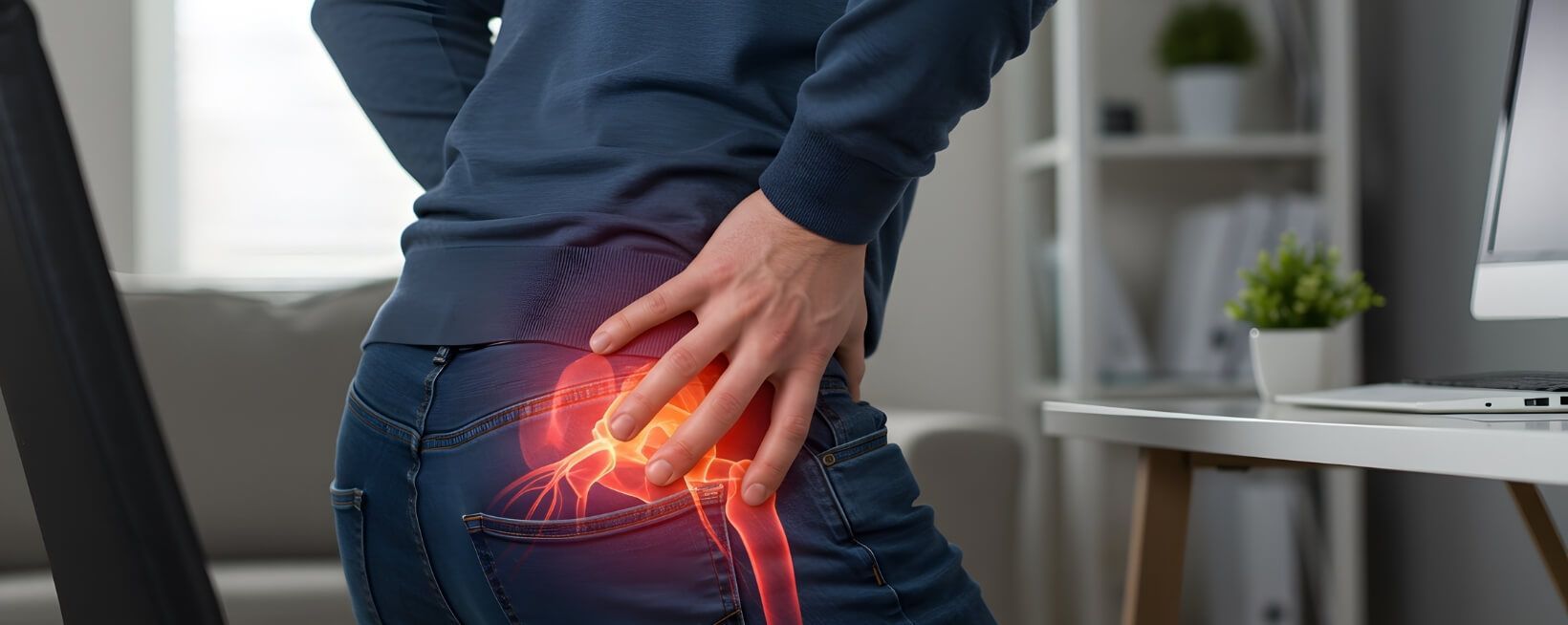
Sciatica is not a condition by itself, but rather a group of symptoms caused by irritation or compression of the sciatic nerve. This nerve is the largest in the body and runs from the lower back through the hips and buttocks before continuing down each leg. When pressure is placed on the nerve, pain can travel along part or all of that pathway.
Symptoms can vary depending on the location and severity of the irritation. Some people experience a dull ache in the lower back or buttock, while others feel sharp, burning, or electric shock-like pain that radiates into the thigh, calf, or foot. Numbness, tingling, and muscle weakness may also occur in the affected leg. Symptoms are often worse when sitting for long periods, bending, coughing, sneezing, or making certain movements that increase pressure on the nerve.
Sciatica can range from an occasional discomfort to severe pain that interferes with walking, sleeping, working, and other daily activities. Because the symptoms can be caused by several different spinal or muscular issues, identifying the underlying source is an important first step in choosing the right treatment.
What Causes Sciatica?
Sciatica is most often the result of pressure or irritation affecting the sciatic nerve as it exits the lower spine. This pressure can develop for several reasons, with some of the most common causes including herniated or bulging discs, degenerative disc disease, spinal stenosis (a narrowing of the spinal canal), bone spurs, and muscle-related conditions such as piriformis syndrome. While these conditions can all produce similar symptoms, they require different treatment approaches.
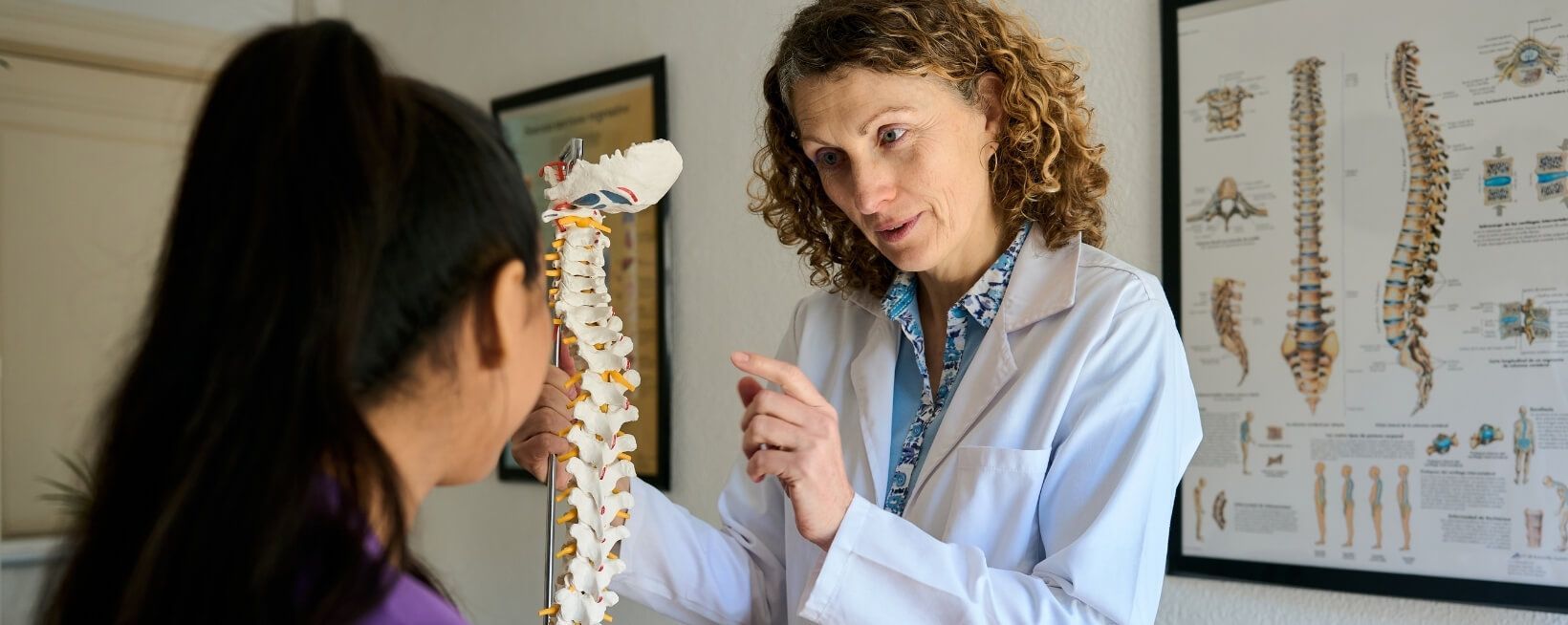
Because there are multiple potential causes of sciatica, finding lasting relief begins with identifying the source of the nerve irritation rather than simply treating the pain itself. A thorough evaluation can determine what's causing your symptoms and help guide the most effective treatment plan for your specific condition.
Conservative Treatments That May Help
Many patients improve with conservative care, especially when treatment begins early.
Common options include:
- Activity modification
- Physical therapy
- Chiropractic care
- Anti-inflammatory medications
- Targeted stretching and exercise
These treatments can reduce symptoms, improve mobility, and help support the healing process. However, if the underlying problem involves a compressed spinal disc or narrowing around a nerve, additional treatment may be necessary.
When Spinal Decompression May Be the Better Option
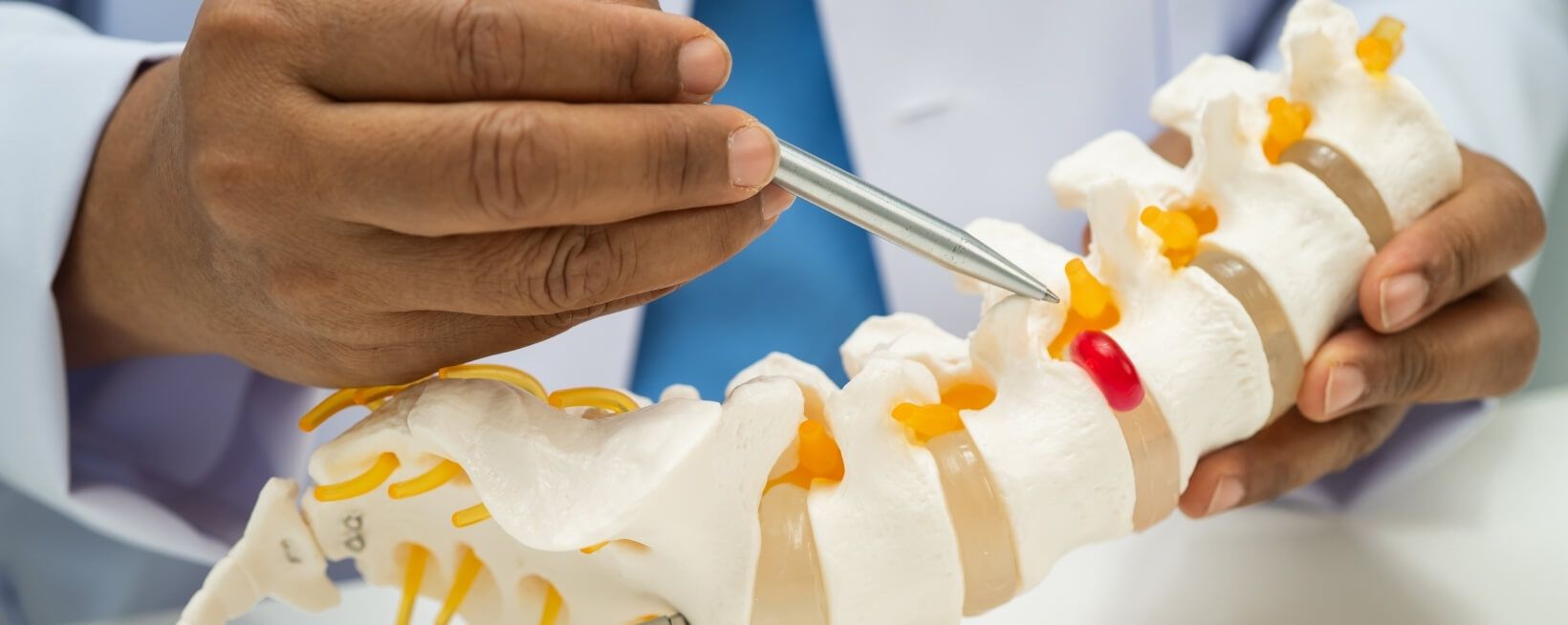
For patients whose sciatica is caused by disc-related conditions, spinal decompression may offer another non-surgical treatment option. Spinal decompression is designed to gently reduce pressure within the spine, creating space that may help relieve pressure on irritated nerves while supporting the body's natural healing processes.
It is commonly considered for patients with:
- Herniated or bulging discs
- Degenerative disc disease
- Chronic sciatica
- Disc-related leg pain
- Symptoms that haven't improved with conservative treatment alone
Many patients choose decompression because it addresses the source of nerve compression rather than simply masking pain.
An Integrated Approach Often Produces Better Results
Sciatica is rarely caused by a single issue, which is why the most effective treatment plans often involve more than one type of therapy. Rather than relying on a one-size-fits-all solution, treatment should be tailored to your specific diagnosis, symptoms, and overall health.
Depending on the results of your evaluation, your care plan may include spinal decompression to reduce pressure on irritated nerves, chiropractic care to improve spinal mobility, soft tissue therapy to address muscle tension and restrictions, shockwave therapy for certain soft tissue conditions, therapeutic exercises to improve strength and stability, and medical management when appropriate. By addressing the joints, discs, muscles, nerves, and surrounding tissues together, an integrated approach focuses on treating the underlying cause of your sciatica—not just the symptoms. For many patients, this leads to more complete relief, improved function, and longer-lasting results than a single treatment alone.
When Should You Seek Treatment?
Don't ignore sciatica that's becoming more frequent or severe.
Schedule an evaluation if:
- Your pain has lasted more than a few weeks
- Symptoms continue to return
- Pain travels below your knee
- You have numbness or tingling
- Sitting, standing, or walking has become difficult
- Conservative treatments haven't provided enough relief
The earlier the underlying cause is identified, the more treatment options are typically available. At True Wellness Integrated Medicine, we don't believe in one-size-fits-all treatment. We perform a comprehensive evaluation to determine what's causing your
sciatica and build a personalized treatment plan based on your diagnosis and goals. For many patients, spinal decompression is an effective part of that plan, helping relieve pressure on the sciatic nerve without surgery. Ready to find out if spinal
decompression is right for you?
Schedule your decompression evaluation with True Wellness Integrated Medicine today and take the first step toward lasting relief!