What to Do After a Car Accident (Even If You Feel Fine)
Why You Shouldn’t Ignore a “Minor” Accident

After a car accident, it’s common to feel shaken but otherwise okay. Adrenaline can mask pain, and some injuries take hours or even days to appear. What feels minor in the moment can develop into persistent pain or long-term complications if left unaddressed.
Acting early is one of the most important steps you can take to protect your health.
Step 1: Check for Immediate Injuries
If you have severe pain, dizziness, confusion, or difficulty moving, seek emergency care right away. These symptoms may indicate a serious injury that requires urgent attention.
Even if symptoms seem mild, it’s important not to assume everything is fine.
Step 2: Document the Accident
If you’re able, gather as much information as possible at the scene:
- Photos of vehicle damage and surroundings
- Contact and insurance information from all parties
- A copy of the police report, if available
This documentation can be important for both medical and insurance purposes.
Step 3: Monitor for Delayed Symptoms
Many common accident-related injuries don’t show up immediately. Over the next 24 to 72 hours, watch for:
- Neck stiffness or headaches
- Back pain or reduced mobility
- Numbness or tingling
- Shoulder or joint discomfort
- Fatigue or difficulty concentrating
These can be signs of soft tissue injuries, whiplash, or inflammation that wasn’t obvious right away.
Step 4: Get Evaluated (Even If You Feel Fine)
One of the most overlooked steps after an accident is getting a professional evaluation. Early assessment allows providers to identify subtle injuries before they worsen.
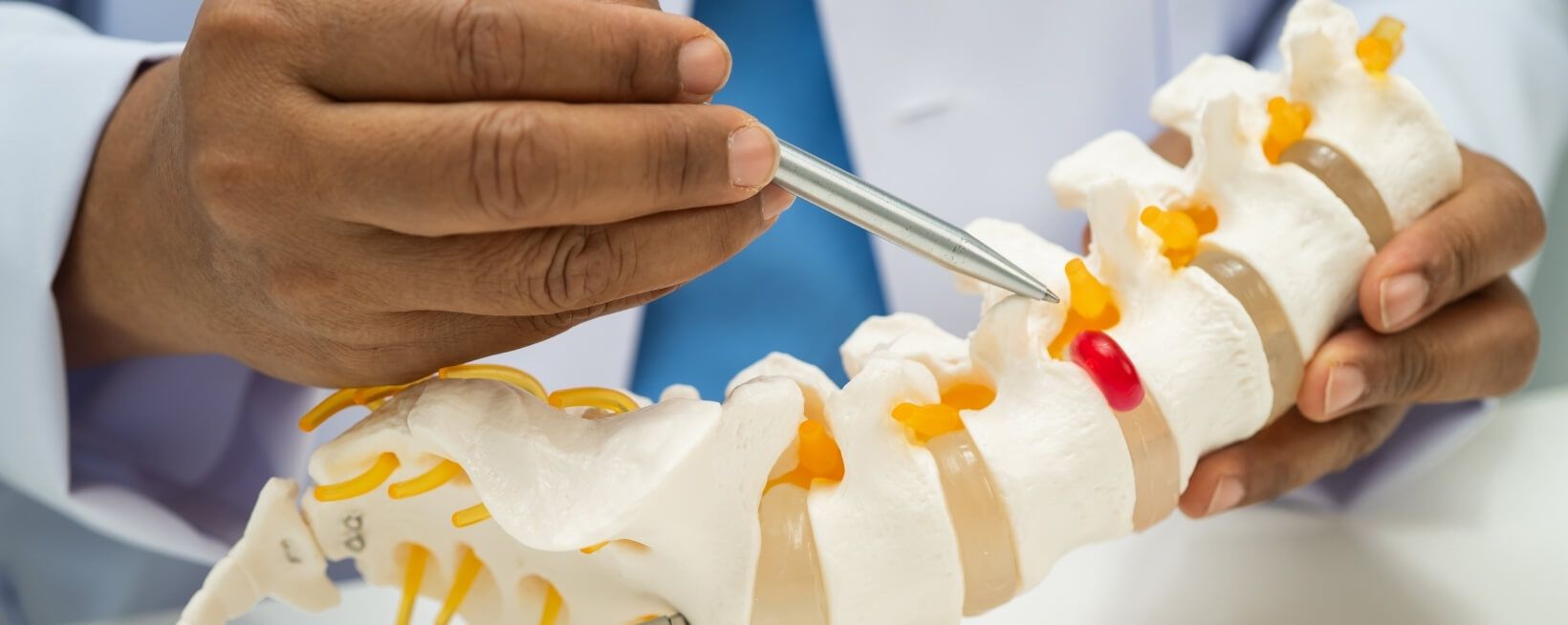
Conditions like whiplash, disc irritation, and soft tissue damage respond best when treated early. Waiting until pain becomes severe can make recovery longer and more complicated.
Step 5: Start Treatment Early if Needed
If an issue is identified, starting care right away can:
- Reduce inflammation and pain
- Prevent chronic issues from developing
- Restore mobility and function faster
- Support proper healing
Treatment plans may include chiropractic care, soft tissue therapy, or other non-invasive approaches depending on your condition.
Why Same-Day Care Matters
Timing plays a critical role in recovery. The sooner an injury is identified and addressed, the better the outcome tends to be. Even if you ultimately don’t need treatment, having a documented evaluation provides peace of mind and establishes a baseline in case symptoms develop later.
If you’ve recently been in a
car accident, don’t wait for symptoms to appear before taking action. At True Wellness Integrated Medicine, we provide prompt, thorough evaluations to identify injuries early and guide you toward the right care.
Schedule an evaluation today!