Spinal Decompression vs Surgery: What Actually Works?
Comparing outcomes, risks, and when each option makes sense for back pain
When back pain becomes severe or persistent, many patients are told they may need surgery. At the same time, non-surgical options like spinal decompression are becoming more widely used and recommended. Understanding the difference between spinal decompression vs surgery is critical when deciding how to move forward.
Both approaches aim to relieve pressure on the spine, but they differ significantly in how they achieve that goal, along with their risks, recovery time, and long-term outcomes.
What Is Spinal Decompression?
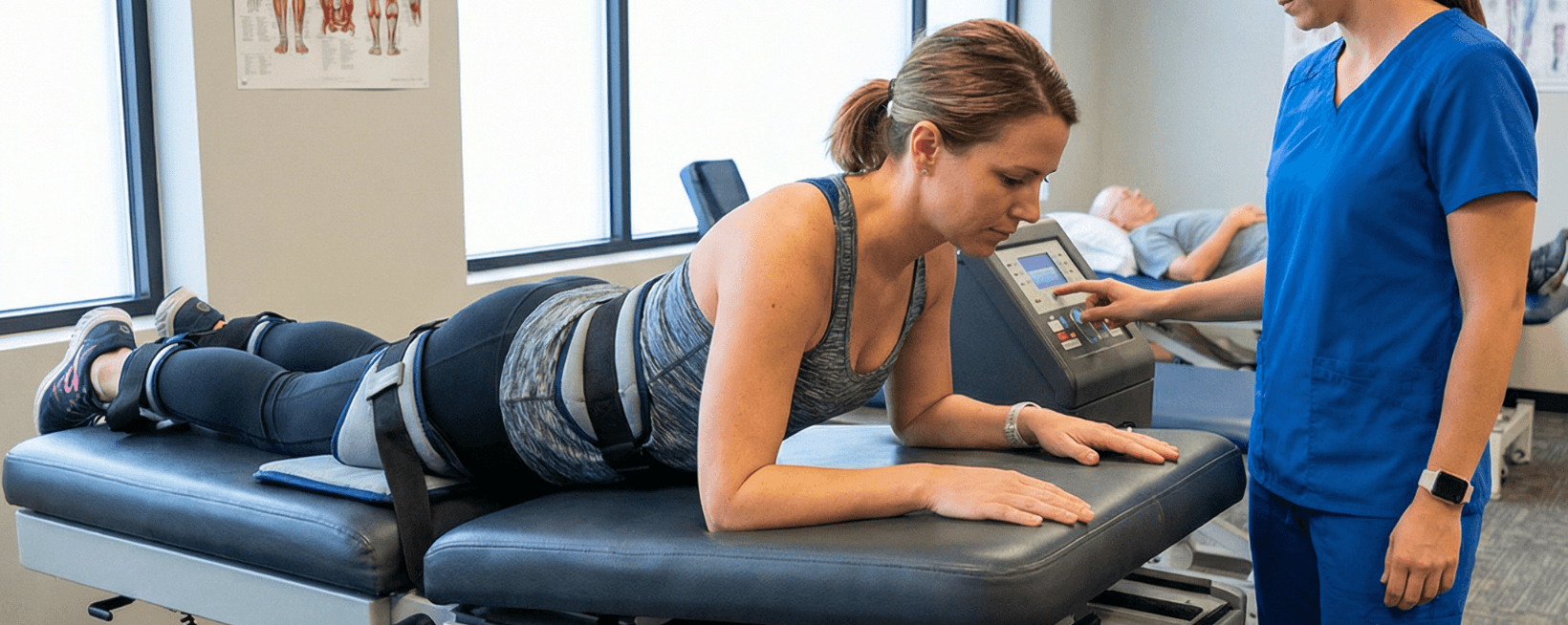
Spinal decompression is a non-surgical treatment designed to relieve pressure on discs and nerves in the spine. It typically involves a controlled, mechanical traction system that gently stretches the spine to create space between vertebrae.
This process can help reduce disc bulging, improve circulation to injured tissues, and decrease nerve compression. It is commonly used for conditions such as herniated discs, degenerative disc disease, and sciatica.
Because it is non-invasive, spinal decompression is often part of a broader treatment plan that includes rehabilitation and supportive therapies.
What Does Back Surgery Involve?
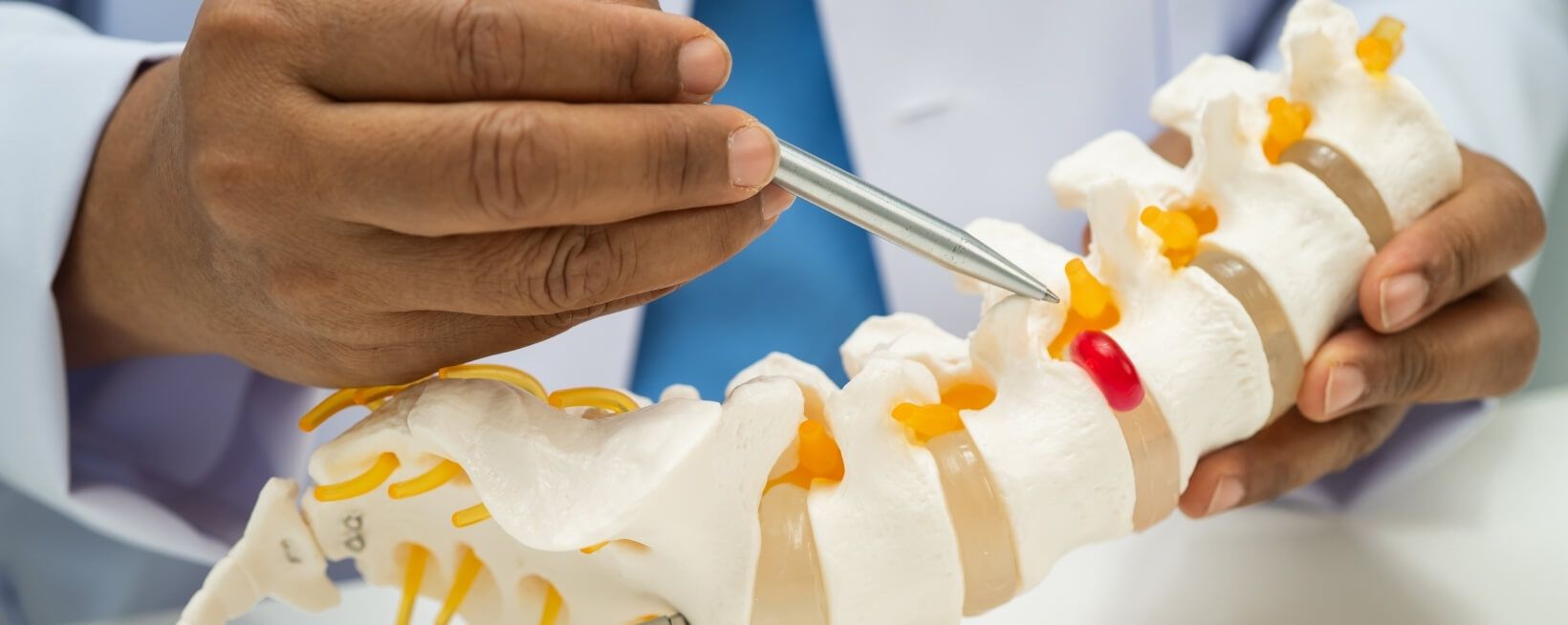
Surgical procedures for back pain vary depending on the condition, but they generally focus on removing or altering structures that are causing nerve compression.
Common procedures include discectomy, laminectomy, and spinal fusion. While these can be effective in certain cases, they involve anesthesia, tissue disruption, and a significant recovery period.
Surgery is typically considered when conservative treatments have failed or when there is a clear structural issue that cannot be addressed through non-invasive care.
Spinal Decompression vs Surgery: Key Differences
The decision between spinal decompression vs surgery often comes down to severity, risk tolerance, and treatment goals.
Spinal decompression is designed to support the body’s natural healing process. It is gradual, low-risk, and allows patients to maintain normal daily activities during treatment.
Surgery, by contrast, is immediate and structural. It can provide faster relief in severe cases but comes with higher risks, longer downtime, and the possibility of complications or additional procedures in the future.
One of the most important distinctions is that decompression focuses on function and recovery, while surgery focuses on structural correction.
Effectiveness and Long-Term Outcomes
For many patients, non-surgical care delivers strong results without the drawbacks of surgery. Spinal decompression has been shown to reduce pain and improve mobility, particularly when combined with therapies that strengthen and stabilize the spine.
Surgical outcomes can be effective, but they are less predictable. Some patients experience significant relief, while others continue to have pain or require additional interventions.
Long-term success often depends on addressing the underlying causes of the condition, not just the immediate structural issue.
When Surgery May Be the Right Choice
There are situations where surgery is necessary and should not be delayed. These are typically more advanced or urgent conditions involving significant nerve involvement.
You may be a candidate for surgery if you experience:
- Progressive neurological deficits such as worsening weakness
- Loss of bowel or bladder control
- Severe structural instability or trauma
In these cases, surgical intervention is critical to prevent permanent damage.
Choosing the Right Approach for Your Situation
The most effective treatment plan is based on a thorough evaluation, not just imaging results. Symptoms, movement patterns, and overall health all play a role in determining the best course of action.
Patients who explore spinal decompression vs surgery with a provider who offers both perspectives are more likely to receive balanced, patient-centered recommendations. This reduces the likelihood of unnecessary procedures and improves long-term outcomes.
Moving Forward with Confidence
If you are trying to decide between spinal decompression vs surgery, the most important step is getting a clear, unbiased evaluation. The right treatment plan should be based on your specific condition, not a one-size-fits-all approach.
At True Wellness, we take a comprehensive, non-surgical-first approach to back pain. Our team combines advanced diagnostics, spinal decompression, rehabilitation, and medical care to address the root cause of your symptoms, not just temporary relief.
If you want to avoid unnecessary procedures and explore proven alternatives,
schedule a consultation with our team today. We will help you understand your options and build a plan focused on long-term results.