How Primary Care Helps Prevent Chronic Disease
The best healthcare isn't just about treating illness, it's about preventing it. Learn how establishing a relationship with a primary care provider can help you stay healthier, catch problems earlier, and reduce your risk of chronic disease.
For many people, healthcare is reactive. They schedule an appointment when they're sick, injured, or experiencing symptoms that won't go away. While treating illness is an important part of medicine, it's only one piece of the puzzle. Some of the most valuable care happens long before symptoms ever appear.
Primary care is designed to keep you healthy, not just help you recover when you're not. Through routine checkups, preventive screenings, health coaching, and ongoing monitoring, your primary care provider becomes your partner in protecting your long-term health. This proactive approach can significantly reduce your risk of developing chronic diseases or help detect them early, when they're often easier to manage.
Why Chronic Disease Prevention Matters
Chronic diseases are among the most common and costly health conditions in the United States. Conditions like heart disease, Type 2 diabetes, high blood pressure, obesity, high cholesterol, chronic kidney disease, and chronic lung disease affect millions of Americans and account for a significant portion of healthcare costs each year.
What makes these conditions particularly challenging is that they usually develop gradually. High blood pressure, elevated cholesterol, insulin resistance, and even early diabetes often produce few or no noticeable symptoms. By the time someone begins feeling sick, the disease may have already caused damage to the heart, kidneys, blood vessels, or other organs.
Fortunately, many chronic diseases are influenced by modifiable risk factors such as nutrition, physical activity, sleep, stress, smoking, alcohol use, and weight management. While genetics certainly play a role, preventive healthcare gives patients the opportunity to address these risks before they become serious medical problems.
Primary Care Focuses on the Whole Picture
A primary care visit is about much more than checking your temperature or renewing prescriptions. Your provider is looking at your overall health and identifying trends that could indicate future problems.
During routine visits, your provider may evaluate:
- Blood pressure and cardiovascular health
- Blood sugar and diabetes risk
- Cholesterol levels
- Weight and body composition
- Kidney and liver function
- Thyroid health
- Medication effectiveness and side effects
- Mental health and emotional well-being
- Sleep quality
- Lifestyle habits including diet, exercise, tobacco, and alcohol use
- Family history that may increase your risk for certain diseases
Rather than treating isolated symptoms, primary care connects all of these pieces to develop a comprehensive understanding of your health.
The Power of Early Detection
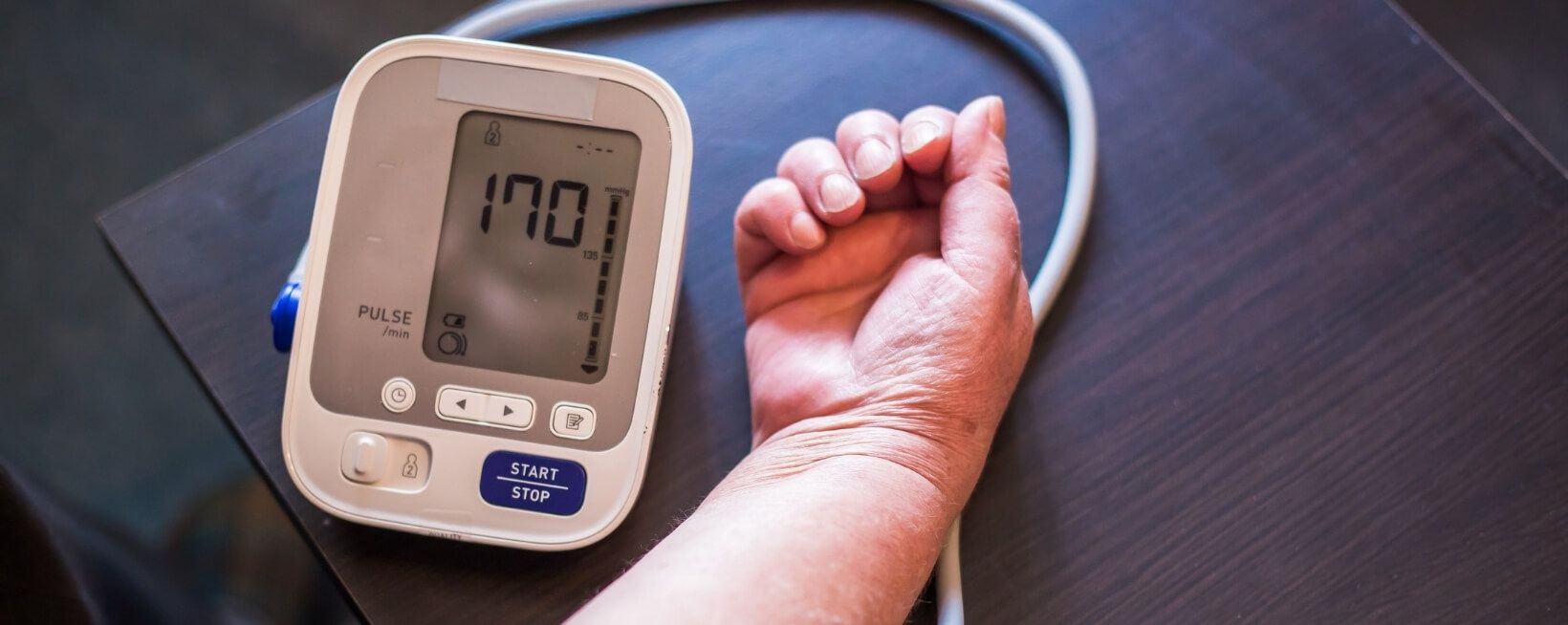
One of the greatest benefits of regular primary care is identifying health concerns before they become serious. For example, a routine blood test may reveal elevated blood sugar levels long before diabetes develops. A blood pressure check may identify hypertension before it damages the heart or kidneys. Cholesterol screening can uncover cardiovascular risk years before someone experiences a heart attack or stroke. Early detection often means simpler treatment, fewer complications, and better long-term outcomes. In many cases, modest lifestyle changes made early can delay or even prevent disease progression. Without regular monitoring, these opportunities can easily be missed.
Preventive Care Goes Beyond Annual Physicals
Many people think preventive care begins and ends with an annual wellness exam. While yearly visits are important, prevention is really an ongoing process. Health changes over time. New medications are introduced. Family history evolves. Stress levels fluctuate. Weight, activity level, and lifestyle habits change as work and family responsibilities shift. Having an established relationship with a primary care provider means someone is following those changes over months and years, not just during isolated visits. This continuity of care allows for more personalized recommendations and quicker responses when something begins to change.
Personalized Care Makes Prevention More Effective
There is no universal roadmap for preventing chronic disease.
A healthy 30-year-old athlete has very different healthcare needs than someone in their 60s managing multiple medical conditions. Even people of the same age may have completely different risk factors depending on genetics, occupation, activity level, medications, or family history.
That's why personalized primary care is so valuable.
Instead of following generic health advice, your provider develops recommendations based on your unique health profile. That may include screening schedules, nutrition counseling, weight management strategies, exercise recommendations, preventive medications, or referrals when specialized care is appropriate.
The goal isn't simply to help you avoid disease today, it's to keep you healthy for decades to come.
Managing Existing Conditions to Prevent Future Problems
Primary care doesn't stop once a chronic disease develops. In fact, ongoing management becomes even more important. Conditions like diabetes, hypertension, asthma, and high cholesterol require regular monitoring and adjustments over time. Left unmanaged, they can increase the risk of heart disease, stroke, kidney failure, nerve damage, and many other serious complications. Your primary care provider helps ensure medications remain effective, monitors for changes in your condition, recommends appropriate lifestyle modifications, and coordinates care with specialists when necessary. This continuity often leads to better disease control and improved quality of life.
Building a Long-Term Partnership in Your Health
One of the greatest advantages of primary care is developing a relationship with a provider who understands your health history over time. Instead of seeing a different clinician every time you need care, your primary care provider becomes familiar with your medical history, personal goals, family history, medications, and lifestyle. This allows them to recognize subtle changes that might otherwise be overlooked and make recommendations tailored specifically to you. Preventive care isn't about avoiding the doctor, it's about having the right doctor by your side before problems arise.
Take a Proactive Approach to Your Health
The healthiest future is often built through small, consistent decisions made today. At True Wellness Integrated Medicine, our
primary care team focuses on proactive, patient-centered care designed to help you prevent disease, manage existing conditions, and maintain your health throughout every stage of life. Whether you're due for your annual wellness visit or looking to establish care with a provider who takes the time to understand your health, we're here to help.
Schedule your primary care appointment today and take the first step toward protecting your long-term health.