
How On-Site Lab Testing Saves You Time and Gets Faster Answers
Getting answers about your health shouldn't require multiple appointments at different locations. On-site lab testing makes it easier to complete important testing, coordinate your care, and take the next step toward better health.
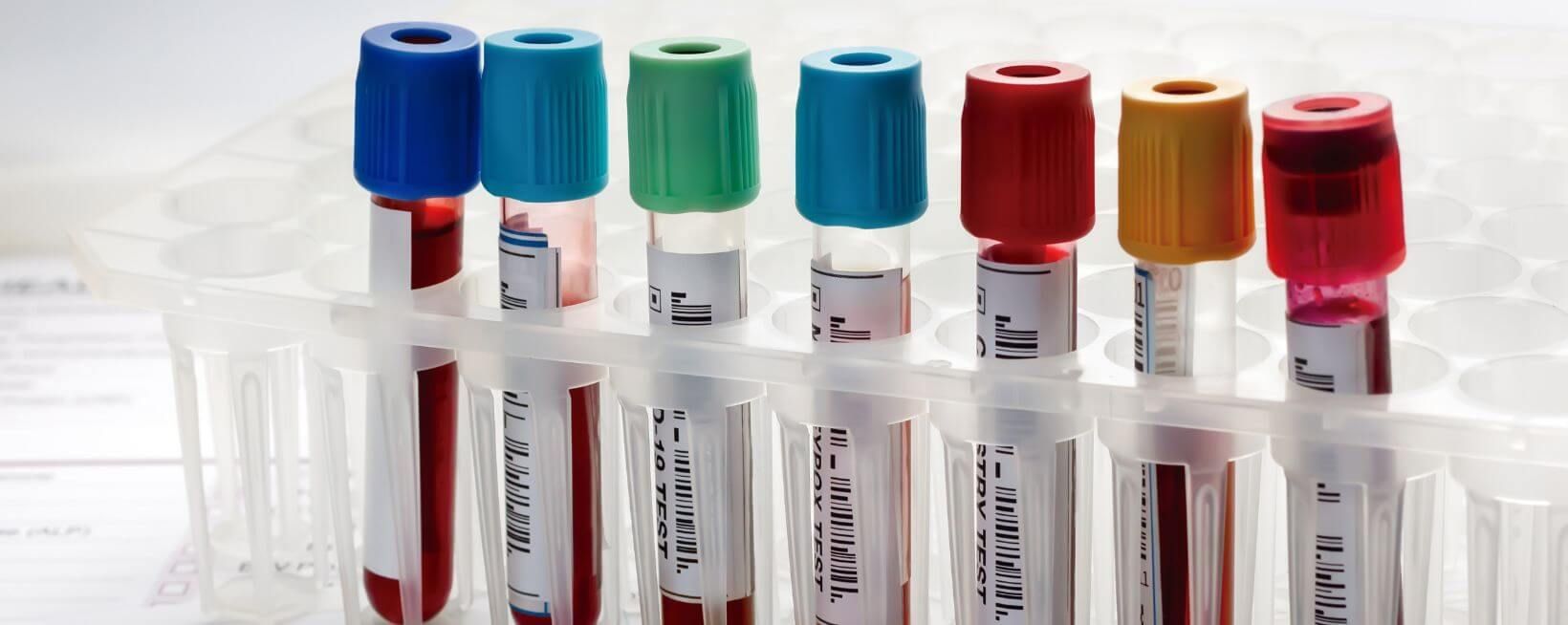
When your healthcare provider recommends bloodwork or other laboratory testing, the last thing you want is another appointment to schedule, another office to visit, and another delay before getting answers. Unfortunately, that's often how traditional healthcare works. You visit your provider, receive an order for lab testing, travel to a separate facility, and then wait for the results to make their way back to your doctor's office. At True Wellness Integrated Medicine, we believe healthcare should be more convenient and coordinated. With on-site lab testing available for appropriate services, patients can complete important steps in their care without always having to make a separate trip. And while convenience is a major benefit, having testing integrated into your healthcare experience can also make it easier to identify concerns, monitor progress, and make informed treatment decisions.
Less Time Traveling Between Appointments
One of the biggest advantages of on-site lab testing is simple: fewer stops. When your provider can order and arrange appropriate testing during your visit, you may be able to complete your appointment and laboratory sample collection in one location. That can mean less time away from work, fewer disruptions to your schedule, and less coordination between different medical offices. For patients managing busy schedules, multiple health conditions, or ongoing treatment, that convenience can make a meaningful difference. It's particularly helpful when laboratory testing is part of a larger care plan that requires regular monitoring. Rather than viewing every blood draw as a separate healthcare errand, testing becomes a more convenient part of your ongoing care.
Faster Answers Can Mean Faster Next Steps
Laboratory testing helps healthcare providers understand what's happening inside your body, often before certain health concerns produce noticeable symptoms. Bloodwork and other diagnostic tests can provide important information about blood sugar, cholesterol, thyroid function, kidney and liver health, nutritional status, and other markers. When testing is conveniently available through your provider's office, it may reduce delays associated with scheduling a separate laboratory visit. That can help move the process forward so your healthcare team can review findings and determine appropriate next steps. It's important to note that on-site lab testing doesn't always mean same-day results. Some tests may be performed in the office, while others require samples to be processed by an outside laboratory. Turnaround times depend on the specific test. The advantage is having a more coordinated process from the initial evaluation through testing and follow-up.
Better Coordination Between Testing and Treatment
Lab results are most useful when they're interpreted in the context of your overall health. An elevated blood sugar reading, for example, may mean something different depending on your medical history, current medications, symptoms, and previous test results. The same is true for cholesterol levels, thyroid markers, and other laboratory findings. When testing is integrated into your primary care experience, your provider can connect those results with what they already know about you. Instead of looking at individual numbers in isolation, your healthcare team can evaluate trends, consider contributing factors, and determine whether additional testing, lifestyle changes, medication adjustments, or other treatment may be appropriate. This is especially valuable for patients managing ongoing health concerns that require regular monitoring.
On-Site Lab Testing Supports Preventive Healthcare
You don't have to feel sick to benefit from laboratory testing. Many health conditions develop gradually and may not produce obvious symptoms in their early stages. Elevated cholesterol, prediabetes, and certain metabolic or thyroid-related concerns can sometimes be identified through appropriate screening before they become more significant problems. Routine testing, when recommended based on your age, medical history, risk factors, and symptoms, gives your provider information that can help guide preventive care. For example, laboratory results may help identify changes in blood sugar, evaluate cardiovascular risk factors, monitor existing medical conditions, or assess how certain medications are affecting your body. Having convenient access to testing can also make it easier to stay consistent with recommended screenings rather than postponing them because of scheduling difficulties.
More Convenient Monitoring for Chronic Conditions
For patients managing diabetes, thyroid disorders, high cholesterol, or other chronic conditions, laboratory testing often isn't a one-time event. Regular monitoring may be necessary to evaluate how well a treatment is working, identify changes in health, and determine whether adjustments are needed. With on-site sample collection available for appropriate tests, patients may find it easier to stay on schedule with recommended monitoring. This continuity matters because managing a chronic condition isn't just about responding when symptoms worsen. It's about tracking changes over time and making informed decisions that support long-term health.
What Types of Lab Tests Might Your Provider Recommend?
The testing that's appropriate for you depends on your symptoms, medical history, and individual health goals. Common laboratory tests used in primary care may include:
- Complete blood count (CBC): Evaluates blood cells and can help identify concerns such as anemia or certain infections.
- Comprehensive metabolic panel (CMP): Provides information about kidney function, liver function, blood sugar, and electrolyte balance.
- Lipid panel: Measures cholesterol and triglycerides to help assess cardiovascular risk.
- Hemoglobin A1C: Helps evaluate average blood sugar levels over approximately two to three months.
- Thyroid testing: Assesses thyroid function when symptoms or medical history indicate a need.
- Vitamin and nutrient testing: May help identify certain deficiencies when clinically appropriate.
Not every test is necessary for every patient, and not all testing is performed or processed on-site. Your provider can explain which tests are recommended, how samples are collected, and when results are expected.
A More Connected Approach to Your Health
One of the challenges with healthcare is that different parts of the process can feel disconnected. You may have one appointment for your symptoms, another for testing, and another to discuss what happens next. When those steps involve different facilities and providers, it can become difficult to keep track of your care. An integrated medical practice helps bring more of those services together. At True Wellness Integrated Medicine, our approach is centered on understanding the whole patient. Whether you're establishing primary care, managing a chronic condition, or investigating a new health concern, laboratory testing can provide valuable information to help guide your treatment plan. The goal isn't to order more tests. It's to make sure the right information is available when it's needed, so your care can move forward with greater clarity.
Spend Less Time Coordinating Care and More Time Taking Care of Yourself
Healthcare shouldn't feel like another full-time job. On-site lab testing can help simplify the process by reducing unnecessary travel, improving coordination, and making it easier to complete recommended testing as part of your ongoing care. At True Wellness Integrated Medicine, we combine convenient services with a personalized approach to primary care and preventive health. Our team can help determine which laboratory tests are appropriate, explain your results, and use those findings to guide your next steps.
Looking for more convenient primary care and lab testing in Chattanooga?
Schedule an appointment with True Wellness Integrated Medicine to discuss your health concerns, recommended testing, and how our integrated approach can make managing your health easier.