Best Natural Supplements for Stress and Anxiety Relief
Feeling overwhelmed, tense, or mentally exhausted? Certain vitamins, minerals, and herbal supplements may support stress management, but understanding what works, what the research says, and how to choose safely is just as important.
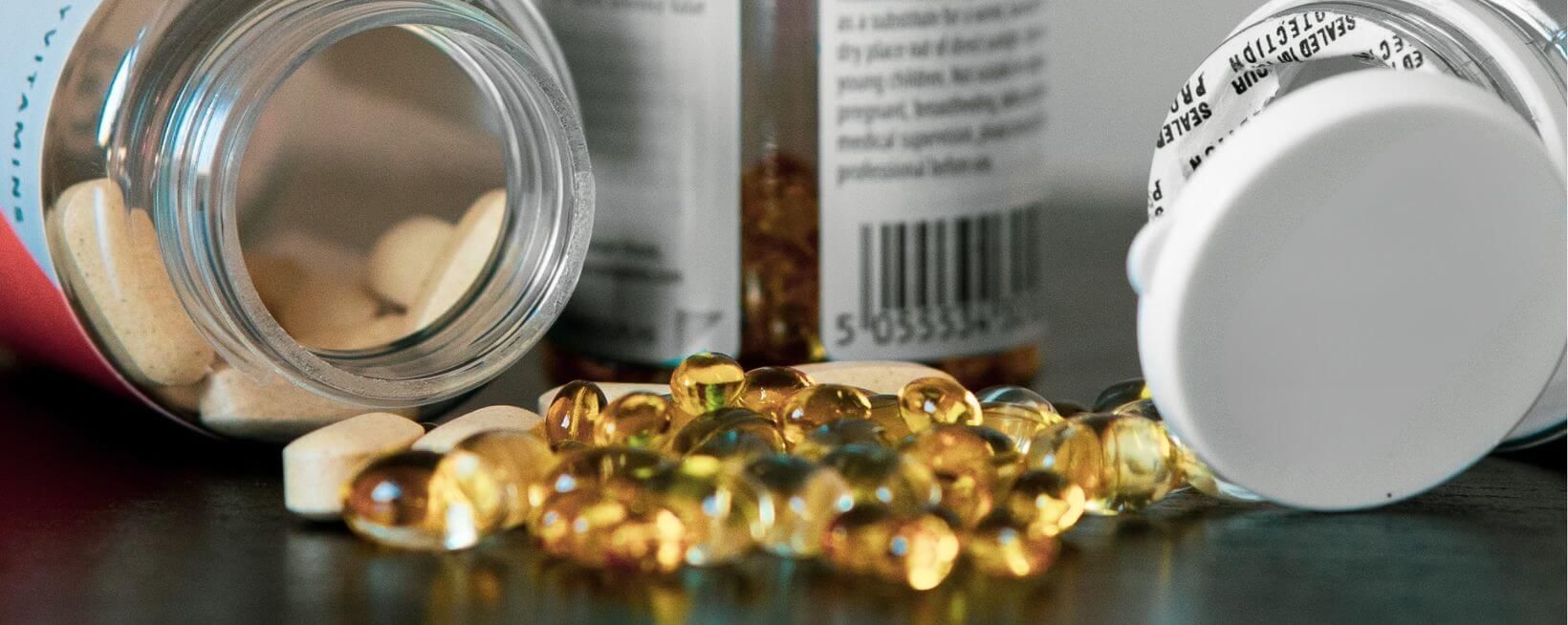
Stress is a normal part of life, but when it becomes constant, it can affect nearly everything, from your sleep and concentration to your mood, energy, and physical health. If you've been feeling unusually tense, restless, overwhelmed, or mentally drained, you've probably wondered whether there's a natural way to feel more balanced. Supplements are often marketed as a simple solution. Magnesium, ashwagandha, L-theanine, and various herbal products have become increasingly popular for relaxation and stress support. But with so many products making similar promises, it can be difficult to separate legitimate research from clever marketing. The reality is that some supplements have shown promising results in small studies, while others have limited or inconsistent evidence. And none should be considered a guaranteed treatment for an anxiety disorder. Here's what to know about some of the most commonly discussed natural supplements for stress and anxiety relief.
Magnesium: Supporting Normal Nervous System Function
Magnesium is an essential mineral involved in hundreds of processes throughout the body, including muscle function, nerve signaling, and energy production. Because magnesium plays a role in normal nervous system function, researchers have explored whether supplementation may help with stress, sleep, and anxiety symptoms. Some studies suggest potential benefits, particularly among people with inadequate magnesium intake, but the evidence for treating anxiety remains limited. Magnesium supplements also come in several forms, including magnesium glycinate, citrate, and oxide. These differ in absorption, tolerability, and intended use. More isn't necessarily better. Excess supplemental magnesium can cause diarrhea and other side effects, and people with kidney disease may face additional risks. Best consideration: Magnesium may be worth discussing if your dietary intake is low or a healthcare provider identifies a deficiency or other reason for supplementation.
Ashwagandha: A Popular Herb for Stress Management
Ashwagandha is an herb used in traditional Ayurvedic medicine and frequently marketed as an adaptogen, a substance believed to help the body respond to stress. Some clinical studies have found improvements in perceived stress, sleep, or anxiety-related measures among adults taking certain ashwagandha preparations. However, many studies have been relatively small or short in duration, and results may not apply equally to every product. There are also important safety considerations. Ashwagandha may affect thyroid function, interact with certain medications, and has been associated with rare cases of liver injury. It should generally be avoided during pregnancy, and people with autoimmune or thyroid conditions should discuss its use with a healthcare professional. Best consideration: Ashwagandha has some encouraging preliminary evidence for stress, but its safety profile and potential interactions deserve careful attention.
L-Theanine: Relaxation Without Heavy Sedation?
L-theanine is an amino acid naturally found in tea leaves, particularly green tea. It's commonly promoted for supporting relaxation and calmness without causing significant drowsiness. Small studies suggest L-theanine may influence certain measures of stress or attention, although research is not yet strong enough to establish it as a reliable treatment for clinical anxiety. Some products combine L-theanine with caffeine for focus and alertness. While this combination may appeal to people interested in cognitive performance, caffeine can also worsen anxiety, restlessness, and sleep problems in sensitive individuals. Best consideration: L-theanine may be of interest for occasional stress support, but expectations should remain realistic.
Omega-3 Fatty Acids: Brain Health and Emotional Well-Being
Omega-3 fatty acids are essential fats found in foods such as salmon, sardines, walnuts, and flaxseeds. EPA and DHA, the omega-3s found primarily in fish and algae, are especially important for normal brain function. Researchers have investigated omega-3 supplementation for several mental health outcomes, including anxiety symptoms. Some studies suggest potential benefits, but findings are mixed and more research is needed to determine which patients, if any, benefit most. Omega-3 supplements can also interact with certain medications, and higher doses may increase bleeding-related concerns or other risks in some patients. Best consideration: Omega-3s can support overall nutritional health, particularly when dietary intake is inadequate, but they shouldn't be viewed as a standalone anxiety treatment.
Vitamin D and B Vitamins: Addressing Nutritional Gaps
Sometimes fatigue, low mood, or difficulty concentrating can be associated with nutritional deficiencies or other underlying health concerns. Vitamin D and several B vitamins are involved in normal neurological and metabolic function. Deficiencies can contribute to symptoms that overlap with stress-related complaints. However, taking large amounts of these vitamins doesn't necessarily improve anxiety or mental performance when your levels are already adequate. In fact, excessive supplementation can create problems. High doses of vitamin D can cause toxicity, while prolonged excessive intake of vitamin B6 can damage nerves. Best consideration: Targeted supplementation makes the most sense when there's a demonstrated deficiency, inadequate dietary intake, or another clinical reason to supplement.
Are Natural Supplements Actually Effective for Anxiety?
This is where it's important to distinguish between everyday stress and an anxiety disorder. Feeling overwhelmed during a demanding week is different from experiencing persistent anxiety that interferes with sleep, relationships, work, or daily activities. While certain supplements may provide modest benefits for some individuals, the overall research remains limited. Products can also vary in ingredient quality, concentration, and formulation, making results difficult to generalize. For diagnosed anxiety disorders, established treatments such as cognitive behavioral therapy and appropriate prescription medications have substantially stronger evidence than most supplements. Natural supplements may have a place in a broader wellness plan, but they shouldn't delay appropriate evaluation or treatment.
How to Choose Supplements Safely
The supplement industry can be difficult to navigate, especially when products are marketed with promises of instant calm, hormonal balance, or dramatic improvements in mood. Before purchasing a supplement, consider whether there's credible human research supporting the ingredient, whether the dose has been studied, and whether the product has undergone independent quality testing. Third-party certifications from organizations such as USP or NSF can provide additional assurance about certain quality standards, although they don't prove a supplement is effective for anxiety. It's also important to review potential interactions with medications and existing health conditions. Remember that dietary supplements are not FDA-approved for safety and effectiveness before marketing in the same way prescription drugs are.
Don't Overlook the Foundations of Stress Management
Supplements often receive more attention than the habits that support long-term mental and physical well-being. Consistent sleep, regular physical activity, balanced nutrition, adequate hydration, and stress-management techniques can all influence how you feel. Reducing excessive caffeine, creating boundaries around work, spending time outdoors, and practicing relaxation techniques may also help. If stress is becoming persistent or difficult to manage, talking with a healthcare professional can help identify whether sleep disorders, thyroid problems, medication effects, mental health conditions, or other concerns may be contributing. The most effective approach is often a combination of appropriate healthcare, sustainable daily habits, and targeted support when needed.
Find the Right Support for Your Health
When it comes to natural supplements for stress and anxiety relief, there isn't one product that works best for everyone. Magnesium, ashwagandha, L-theanine, omega-3 fatty acids, and certain vitamins have all attracted research interest, but the evidence and safety considerations differ significantly.
At True Wellness Integrated Medicine, we believe wellness decisions should be based on your individual needs rather than the latest supplement trend. Our team can help you evaluate your symptoms, discuss relevant health factors, and determine whether nutritional support, lifestyle changes, or additional medical care may be appropriate. Interested in taking a more personalized approach to stress management and overall wellness? Schedule a consultation with True Wellness Integrated Medicine to discuss your concerns, explore appropriate options, and develop a plan that supports your long-term health.
This article is for educational purposes only and is not intended to diagnose or treat anxiety disorders. Consult a qualified healthcare professional before starting supplements, particularly if you take medications, are pregnant, or have existing medical conditions.